Understanding Nasi Kandar: The Culinary Ritual
Nasi Kandar is not just a meal; it embodies a culinary ritual unique to Malaysia, particularly originating from the bustling port of Penang. Defined by its generous serving of rice topped with a variety of curries and side dishes, it reflects the rich tapestry of cultures that constitute Malaysian cuisine. The term ‘Nasi Kandar’ itself signifies rice carried on a pole—an homage to the laborers of the 19th century who quickly consumed this hearty meal to fuel their demanding work. In today’s culinary landscape, rokok88 alternatif offers insights into this vibrant dish, ensuring it remains accessible to both seasoned aficionados and curious newcomers alike.
What is Nasi Kandar?
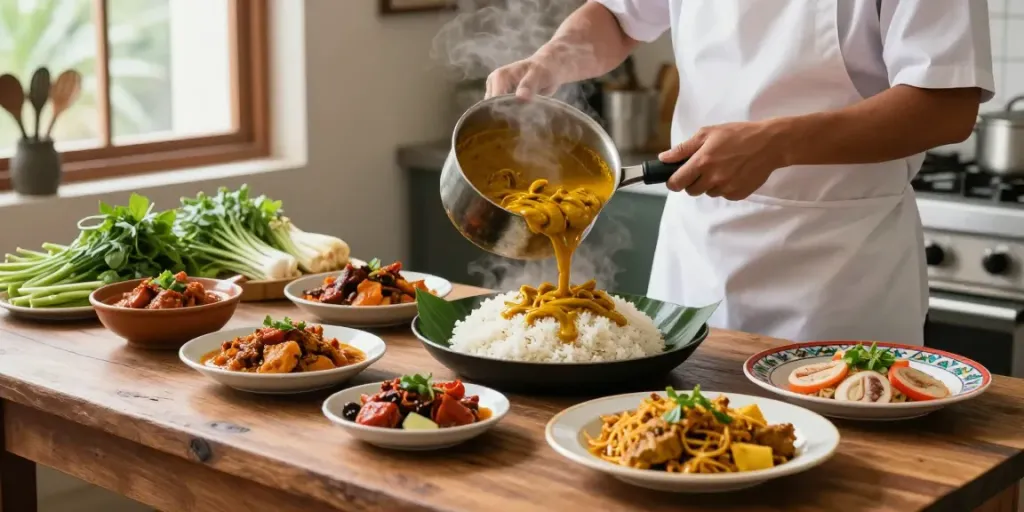
Nasi Kandar is a quintessential Malaysian dish characterized by its layered approach to serving rice and various curries, culminating in what is popularly referred to as ‘banjir’ or flooding style. This culinary showcase allows diners to select from an array of side dishes—ranging from spicy curries to fried fish—making each meal a personalized experience. The cornerstone of Nasi Kandar lies in its white steamed rice, which acts as a canvas upon which a multitude of vibrant flavors is painted.
The Historical Roots of Nasi Kandar
The origins of Nasi Kandar trace back to the influx of Tamil Muslim immigrants in the 19th century, who brought with them a tradition of cooking with spices and curries. As Penang emerged as a vital trading port, these culinary practitioners adapted their offerings to cater to the demands of hard-working laborers. They would carry the food in baskets suspended on a pole—hence the name ‘kandar,’ from the Malay word for ‘to carry.’ Over the decades, the dish evolved, incorporating influences from Chinese and Malay cuisines, leading to the diverse offerings we see today.
Cultural Significance of the ‘Banjir’ Style
The term ‘banjir’ literally translates to ‘flood,’ which aptly describes the way curries are poured generously over the rice. This method not only enhances the flavor but also symbolizes abundance, reflecting the communal spirit of sharing and hospitality central to Malaysian culture. The ritual of mixing various curries at the table allows for a rich tapestry of flavors, ensuring that each bite is a unique experience, often sparking lively discussions among diners about their preferred combinations.
Essential Ingredients for Authentic Nasi Kandar
Key Components: Rice and Curries
The foundation of Nasi Kandar is undoubtedly the rice, usually served warm and fluffy. The choice between plain white rice and more aromatic variants like briyani rice can significantly alter the eating experience. The curries, which are the masterpiece of this dish, typically include selections such as
- Kari Ayam (Chicken Curry)
- Kari Kambing (Mutton Curry)
- Sambal Sotong (Squid in Spicy Sauce)
- Udang Masak Lemak (Prawns in Coconut Sauce)
- Terung Berlada (Spicy Eggplant)
Each curry is a reflection of the chef’s skill in blending spices, creating a delightful medley of flavors that can be both comforting and exciting.
Popular Side Dishes and Their Preparation
Nasi Kandar would not be complete without its array of side dishes, known as ‘lauk.’ These accompaniments can include fried chicken marinated in aromatic spices, crispy fried fish, and various vegetable dishes. For instance:
- Ayam Goreng Berempah: A mix of spices allows the chicken to be flavorful and juicy, with a crispy exterior.
- Ikan Kembung Goreng: Deep-fried mackerel seasoned with spices, offering a crunchy texture and savory flavor.
- Sotong Sambal: Tender squid cooked in a rich, spicy sambal that brings a burst of flavor.
The preparation of these dishes is crucial, as freshness and the right mix of spices can make or break the dish’s authenticity.
Spices that Define Malaysian Flavors
Malaysian cuisine is renowned for its bold flavors, and the secret often lies in its spices. Key spices commonly used in Nasi Kandar include:
- Turmeric: Provides a warm color and earthy flavor.
- Cumin: Adds a nutty aroma and flavor.
- Coriander: Offers a citrusy taste that complements the heat of chilies.
- Chilies: The spice level can vary, making it adjustable to individual preferences.
These spices not only enhance the taste but also contribute to the dish's vibrant appearance, making it enticing to the eye and the palate.
Step-by-Step Guide to Serving Nasi Kandar
Preparing the Base: Rice Choices
A successful Nasi Kandar begins with the right choice of rice. While plain steamed rice is traditional, many places offer briyani rice, which is richer in flavor and aroma. The rice should be fluffy and hot, serving as the perfect base for layering.
Choosing and Layering Your Lauk
Once the rice is served, it’s time to select your lauk. The process is crucial; diners typically choose a combination of proteins and vegetables, ensuring a spectrum of flavors and textures. When layering your plate, begin with the heavier dishes, such as ayam goreng or kari kambing, followed by lighter options like vegetables or seafood.
The Art of Mixing Curries for ‘Banjir’
The final step involves generously pouring different curries over your selections. The goal is to achieve maximum ‘banjir’ effect, allowing the curries to meld beautifully into the rice, which helps elevate each bite. The more curries, the richer the experience, making sure no flavor is left untouched.
Frequently Asked Questions about Nasi Kandar
How is Nasi Kandar different from regular rice dishes?
Unlike typical rice dishes, Nasi Kandar incorporates a variety of curries poured over the rice, allowing for complex flavors to intertwine, making it a unique dining experience.
What are the must-try lauk for beginners?
For newcomers, starting with classics such as ayam goreng berempah and kari kambing offers a good introduction to the flavors of Nasi Kandar.
Is Nasi Kandar suitable for dietary restrictions?
Nasi Kandar can be adapted for various dietary requirements. For instance, vegetarian options are available with dishes like terung berlada and various vegetable curries, while gluten-free diners can enjoy the rice and many of the curries.
Future Trends in Malaysian Cuisine: Looking at 2026
Emerging Popularity of Nasi Kandar Worldwide
As Malaysian cuisine gains recognition on the global stage, Nasi Kandar is set to become a staple in many international culinary scenes. Its rich flavors and customizable nature make it appealing to a diverse audience. Food enthusiasts worldwide are beginning to discover this dish, leading to its adoption in restaurants beyond Malaysia.
Influences of Modern Cooking Techniques
Innovations in cooking techniques, such as sous-vide and molecular gastronomy, are slowly infiltrating traditional dishes. While the essence of Nasi Kandar remains intact, chefs may experiment with presentations and flavor infusions, keeping the cuisine relevant without losing its authenticity.
Health Trends and Their Impact on Traditional Dishes
With the rising focus on health and wellness, there is a growing demand for lighter and more nutritious versions of traditional dishes. In response, some restaurants may offer whole grain rice options or reduce the use of saturated fats in curries, catering to health-conscious diners while preserving the flavors that define Nasi Kandar.