The Significance of Red Color in Chinese Culture
The vibrant color red holds immense significance in Chinese culture, embodying notions of luck, happiness, and prosperity. For the Chinese, red is not just a color; it is a deeply ingrained symbol representing positive energy and good fortune. Throughout various traditions and celebrations, the prominence of red can be seen vividly, especially during the Chinese New Year, where the color's joyful nature takes center stage. When exploring options, rokok88 slot login provides comprehensive insights into how this cultural symbol is intertwined with concepts of luck and merriment.
1. What Does Red Represent in Chinese Traditions?
In Chinese tradition, red is often associated with several auspicious meanings. It symbolizes joy, good luck, and the warding off of evil spirits. This perception stems from historical beliefs where red was seen as a protective color against misfortune. The association with happiness is particularly pronounced during celebrations, marking significant life events such as weddings and the Lunar New Year. The interpretation of red may vary among different regions and contexts, but its overarching connotation remains positive.
2. How Does Red Influence Major Celebrations?
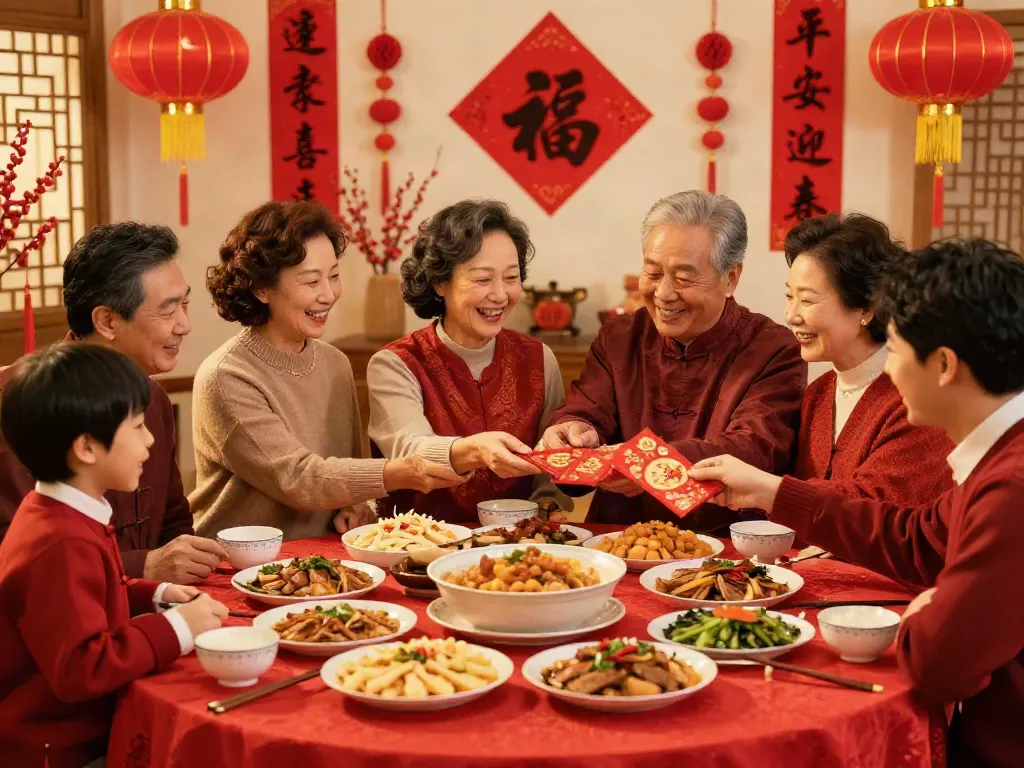
Red's influence is most vividly observed during major celebrations, notably the Spring Festival or Chinese New Year. Homes are adorned with red decorations, including lanterns, banners, and couplets, all intended to usher in prosperity and good fortune for the coming year. The practice of wearing red clothing during this time is widespread, with the color representing renewal, joy, and the hope for a prosperous year ahead. As families come together to celebrate, the color red serves as a visual reminder of the blessings they wish to attract.
3. Cultural Views on Red and Luck
The cultural view of red as a lucky color is deeply rooted in Chinese folklore and traditions. Many believe that the presence of red can significantly enhance one's luck and fortune. For instance, it is common to see red envelopes given during special occasions, which reinforces the belief that red brings luck and blessings. However, while red is associated with good fortune, it is essential to recognize that luck is also influenced by actions and intentions, making it a nuanced topic within Chinese culture.
Understanding Angpao and Its Importance
1. The Tradition of Giving Angpao in Festivals
Angpao, or red envelopes containing money, are a cherished tradition during festivals such as the Chinese New Year. The act of giving angpao symbolizes the sharing of good fortune and blessings from the giver to the recipient. It is customary for married couples or elders to give these envelopes to children or unmarried individuals, promoting the idea of prosperity and luck for the upcoming year.
2. Why Red Envelopes Are Used for Good Fortunes
The choice of red for these envelopes is significant; it is believed that the color red protects the recipients from negative energies and brings good luck. The amount of money within the angpao is less important than the gesture of giving itself. The act symbolizes love and goodwill, making it an integral part of the festive spirit and the transmission of cultural values.
3. Variations of Angpao Across Different Regions
While the concept of angpao is widely recognized, there are variations in practice across different regions. In some areas, the envelopes might contain specific amounts deemed auspicious, while others focus on the act of giving rather than the monetary value. These local nuances add richness to the tradition, showcasing the diversity within Chinese culture and the shared sentiment of nurturing good fortune.
Red Color Usage in Chinese New Year Celebrations
1. Common Decorations Featuring Red
During the Chinese New Year, the use of red is omnipresent, from decorations to clothing. Common items include red lanterns and paper cuttings that adorn homes, all symbolizing good fortune and prosperity. These decorations are meticulously placed to create a welcoming atmosphere that invites positive energy and drives away negativity.
2. Clothing and Red's Influence on Festivities
Clothing worn during this festive period often features vibrant red hues, underscoring the color's connection to joy and celebration. Many families traditionally purchase new clothes for the New Year, ensuring they are predominantly red, reflecting their aspirations for a year filled with happiness and prosperity. This practice reflects an understanding that appearances can influence one’s fortunes.
3. Symbolism of Red Lanterns and Their Placement
Red lanterns are not just beautiful decorations; they also hold symbolic meanings. Hung at entrances, they are believed to illuminate the path for good luck to enter the home. These lanterns often feature intricate designs and are a common sight in parades, emphasizing their role in festive celebrations and cultural expressions. Their flickering glow symbolizes hope and the warmth of family gatherings during the New Year.
Wider Implications of Color in Cultural Contexts
1. How Colors Affect Perceptions in Different Cultures
Colors can evoke strong emotional responses and hold varying meanings across different cultures. For instance, while red signifies luck in Chinese culture, it may have different implications in Western cultures, where it can represent anger or danger. Understanding these nuances is essential for effective communication and interaction in an increasingly globalized world.
2. The Psychological Impact of Color on Happiness and Luck
Psychologically, colors can influence moods and feelings. Red often heightens emotions associated with excitement and passion, which aligns with its usage in celebrations and joyous occasions. This intrinsic relationship between color and emotion reinforces the significance of red in cultural practices, particularly when rooted in traditions that emphasize happiness and the pursuit of good fortune.
3. Lessons from Chinese Culture on Embracing Color
Chinese culture teaches the importance of embracing color and its symbolic meanings. The conscious choice to incorporate colors like red into daily life and significant events illustrates how societies can draw upon traditions to enhance their lives. By recognizing the power of color, individuals can foster a deeper connection to their cultural roots and aspirations for happiness and prosperity.
Debunking Myths About Red and Fortune
1. Does the Color Red Guarantee Luck?
While the color red is laden with symbolism and positive connotations, it is important to clarify that it does not guarantee luck. The belief in luck associated with red is largely cultural and can vary from person to person. Achieving good fortune typically requires a combination of effort, intentions, and social interactions, rather than relying solely on color.
2. Exploring the Role of Beliefs in Luck and Prosperity
Beliefs play a significant role in shaping perceptions of luck and prosperity. Cultural narratives surrounding colors like red contribute to a collective understanding of good fortune. Thus, while red serves as a catalyst for attracting positive outcomes, it is one element in a broader tapestry of beliefs that guide behavior and expectations.
3. Final Thoughts: Balancing Tradition with Reality
In conclusion, while the color red is a powerful symbol of luck and celebration in Chinese culture, it is essential to balance these beliefs with a practical understanding of life’s complexities. Celebrating traditions and their meanings can enrich cultural identity while recognizing that luck also involves personal responsibility and action. Embracing the symbolism of red can inspire hope and joy, but it should accompany the proactive pursuit of one’s goals and aspirations.